
Okay, so check this out—I’ve been fiddling with card-based hardware wallets for years, and somethin‘ about the Tangem approach stuck with me from day one. Wow! The idea is almost embarrassingly simple: a tiny card, NFC enabled, that stores keys without exposing them to your phone. My first impression was pure skepticism. Seriously?
At a meetup in Brooklyn I watched someone pay for coffee with one, then authenticate a transfer with the same card, and I thought: that can’t be secure. Hmm… My gut said that convenience often sacrifices safety. Initially I thought physical cards would be gimmicks, but then I dug deeper and realized how the design reduces attack surface in ways most phones can’t match. Actually, wait—let me rephrase that: the card doesn’t eliminate risk, it shifts it to a different, often more manageable place.
Here’s the thing. When you say „cold storage,“ most people picture a paper backup or a ledger tucked in a safe. But a hardware NFC card that speaks directly to your phone over near-field communication feels like cold storage that can also be used on the go. Short. Practical. Elegant in a weirdly modern way. On one hand it’s tactile and simple—though actually the engineering behind secure element chips and tamper resistance is sophisticated and nontrivial.
I remember being annoyed by seed phrases. They made me cautious and paranoid in equal measure. The the process of writing a 24-word phrase on paper felt like prepping for a treasure map. This card-based workflow removes a lot of that friction while keeping a similar security posture. Wow! You can tap your card, sign a transaction, and walk away knowing the private key never left the secure chip. That matters.
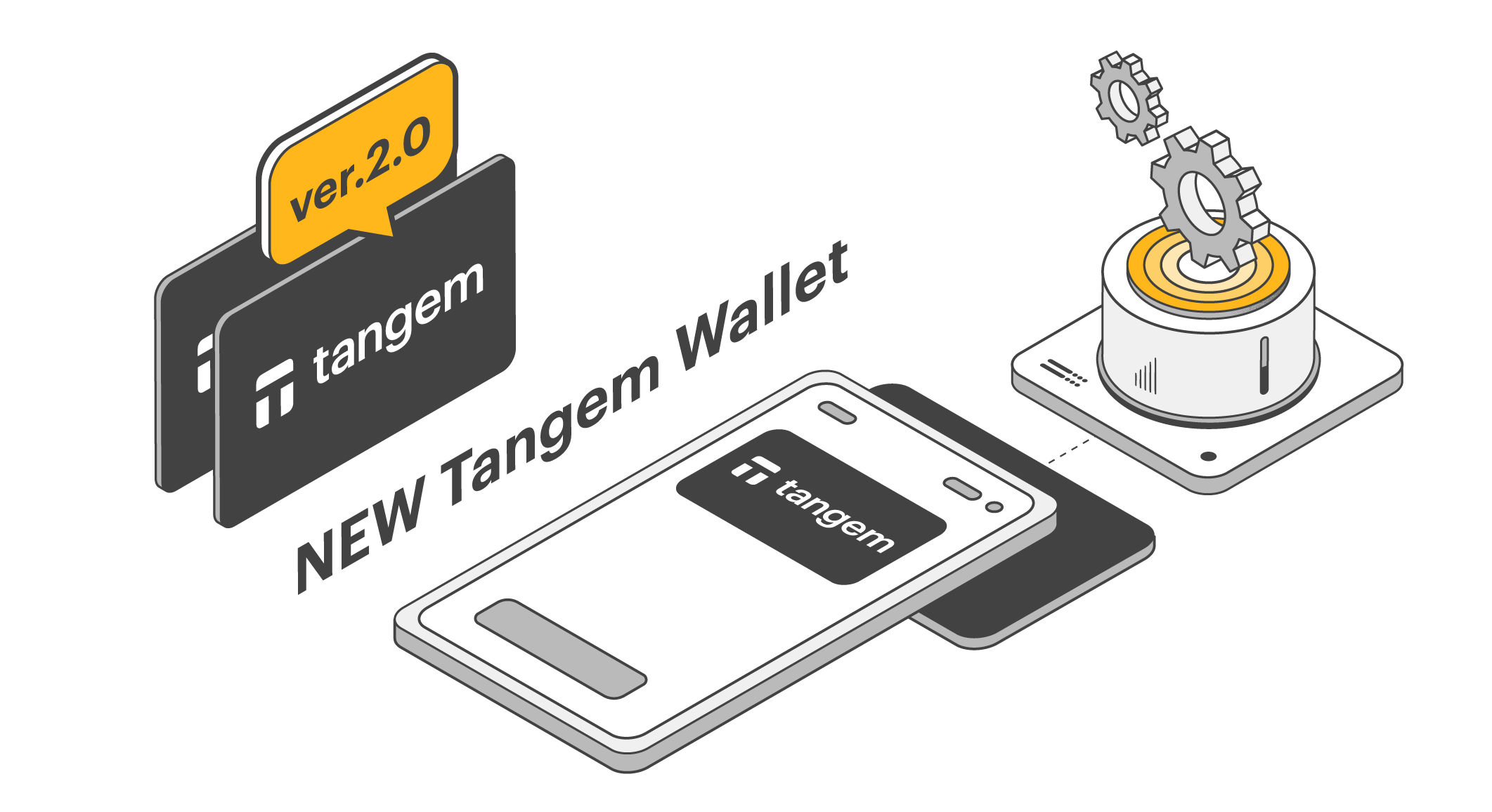
How NFC Cards Change the Cold-Storage Conversation
Short story: NFC cards are a practical middle ground between fully air-gapped cold wallets and hot wallets that live on phones. Really? Yes, because they let you keep keys offline while enabling convenient signing through a phone when needed. My instinct said this would be clunky. I was wrong about the clunky part. In practice the tap interface is surprisingly seamless, assuming you accept a small hardware cost and the discipline to keep that card safe.
From a security lens, these cards rely on secure elements—dedicated chips designed to never reveal private keys. That means an attacker who compromises your phone generally can’t extract the keys by software alone. On the other hand, if someone steals the physical card and also knows your PIN, you’re in trouble; so physical custody still matters. Initially I thought PINs were enough, but then I realized there are better multi-layer tactics: combining the card with a passphrase or a secondary device increases resilience.
And there’s user experience. Many people, myself included, prefer something tangible. You can shove a card into a wallet or a RFID-blocking sleeve and forget about it. In a pinch, a tamper-evident envelope in a safe deposit box works too. I’m biased, but keeping a card feels less terrifying than mentally preserving an exact sequence of words. I’m not 100% sure, but for most users the cognitive load is lower and adoption increases. Hmm…
One small hiccup is backup strategy. Cards are single points of failure unless you create multiple cards with the same root—or use the card to derive a seed that you back up with a SLIP-0039 or multisig approach. Some vendors let you mint multiple cards that are clones; others encourage a hybrid of card plus secure paper backup. The trade-offs are nuanced, and the right choice depends on whether you prioritize convenience over absolute redundancy.
Real-World Trade-offs I Noticed
First, durability. These cards survive pockets, brief drops, and humidity better than I’d expect. They feel like credit cards with serious guts. Second, interoperability. Not every app speaks the same language; NFC standards vary, and mobile OS quirks can bite you. On iOS, NFC handling is tighter; on Android it’s flexible but fragmented. So yeah, your mileage varies by phone model. That’s a bummer when you travel and borrow a phone at an airport kiosk. Really?
On the topic of vendors, some push very polished ecosystems—apps, merchant integrations, and cloud features—while others keep things minimal. I tried a few, but one implementation that stood out for me was tangem, which balanced a clean app with solid card security. The card’s ability to sign transactions without exposing keys felt reassuring. My instinct said: if it’s simple to use, people will actually use good security. On the flip side, simplicity sometimes hides assumptions about user threat models that you should be aware of.
Now, threat models. This is the part that often gets glossed over in demos. If you’re mostly protecting assets against remote malware, the card helps a lot. If your adversary can coerce you physically or has months to surveil you, then the physical aspect becomes the weak link unless you treat it like cash. On one hand casual theft is easily mitigated; though actually targeted attacks require operational security practices and perhaps a more complex multisig setup.
Something felt off at a conference when I overheard someone equate „no seed“ with „no backup.“ That surprised me. The reality is you can have no visible seed yet still have reliable recovery methods—like issuing multiple tangent cards, secure custodial backups, or encrypted backup phrases stored offline. The choices are many, and each has costs in convenience, money, or trust.
Practical Setup Tips — from My Own Mistakes
I’ll be honest: I once set up a card and forgot the PIN complexity recommendations. Rookie move. I had to factory-reset and reinitialize. Lesson learned: treat the PIN like a minor fortress—not too simple, not impossible to recall. Wow! Also, store one backup card in a separate secure location, maybe a safe deposit box. The redundancy is simple and often overlooked by enthusiasts chasing minimalism.
Also, practice the recovery process before you need it. Seriously? Yes. Try restoring from a backup or using a cloned card to confirm your procedures. On one hand it’s tedious, though actually it’s peace of mind. Keep notes (encrypted or physical) about which card maps to which account; don’t rely solely on memory.
Something else: consider combining card-based cold storage with multisig. A two-of-three setup where one key is a card, one key is a hardware device in a safe, and the third is a geographically distributed backup gives a strong balance between resilience and usability. My thinking evolved here—initially I favored single-device simplicity, but experience nudged me toward layered defenses.
Finally, watch the app permissions. The phone app that talks to your card should be minimal and open about what it does. If an app requests broad permissions, pause and review. The card’s job is to keep keys private; your phone’s job is to be a dumb signer proxy. When those roles blur, risk creeps in.
Common Questions
How is an NFC card different from a hardware wallet like a Ledger?
Short answer: form factor and interface. Both use secure elements, but a card relies on passive NFC communication and often has no screen, while devices like Ledger have buttons and displays for transaction review. Cards trade on convenience and invisibility, whereas traditional hardware wallets emphasize manual verification on-device. Each approach has pros and cons depending on your threat model.
What happens if I lose the card?
It depends on your backup approach. If you only have one physical card and no extra key material, loss equals potential permanent access loss. If you maintain backup cards, encrypted backups, or a multisig scheme, you can recover. So the backup strategy you choose is very very important—don’t skimp here.
Is the NFC communication easy to intercept?
NFC range is very short, roughly a few centimeters, which reduces remote interception risk. However, attackers with specialized gear could attempt relay attacks in theory. Practical defense includes PINs, confirmations within the app, and not tapping unknown devices in public. I’m not 100% sure how pervasive relay attacks are in the wild, but layered defenses make them impractical for most attackers.
To wrap up — well, not the usual wrap-up, but to circle back: card-based NFC cold storage is a practical option for people who want tangible control without the headache of seed phrases and the constant worry about phone malware. My trajectory went from skeptical to cautiously enthusiastic. On one hand it’s not a silver bullet, though actually it fills a usability gap in the wallet landscape that I’ve been waiting to see addressed. There’s still nuance, trade-offs, and a bit of legwork required to set things up right.
I’ll leave you with this: try one, practice recovery, and treat the card like cash—because in many ways that’s what it is. And hey, if you decide to take the plunge, consider the ecosystem around the card, the app experience, and how a backup strategy fits your life. Something’s changed for me: I care less about perfect low-level entropy and more about practical security that I’ll actually stick with. Somethin‘ like that.